101 / 06
The setup
It started in Labs
Undo Send launched in Gmail Labs on Mar. 19, 2009. Labs was Gmail’s opt-in space for experiments, which let the team test a risky-feeling behavior outside the default send path.

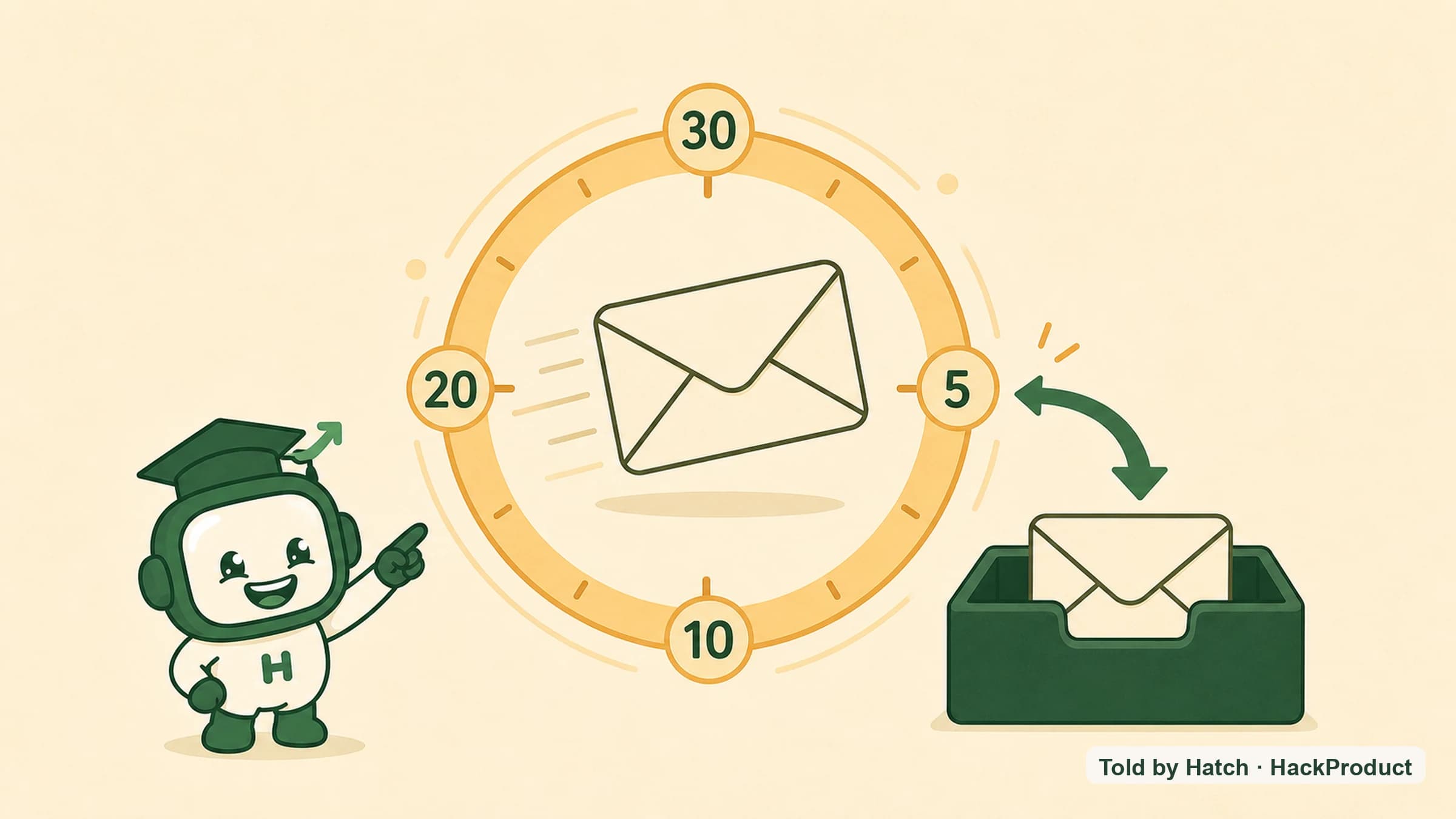
A delay made a destructive action feel reversible.
Six beats that carry the article: context, choice, trap, mechanism, proof, and lesson.
The setup
Undo Send launched in Gmail Labs on Mar. 19, 2009. Labs was Gmail’s opt-in space for experiments, which let the team test a risky-feeling behavior outside the default send path.
The user moment
The public framing was immediate send regret: wrong recipient, missed attachment, visible mistake, or second thoughts right after pressing Send. The evidence supports the problem type, not its frequency.
The trap
A true recall sounds cleaner, but email quickly crosses systems Gmail does not control. The shipped answer avoided that promise by delaying delivery for a short window.
The mechanism
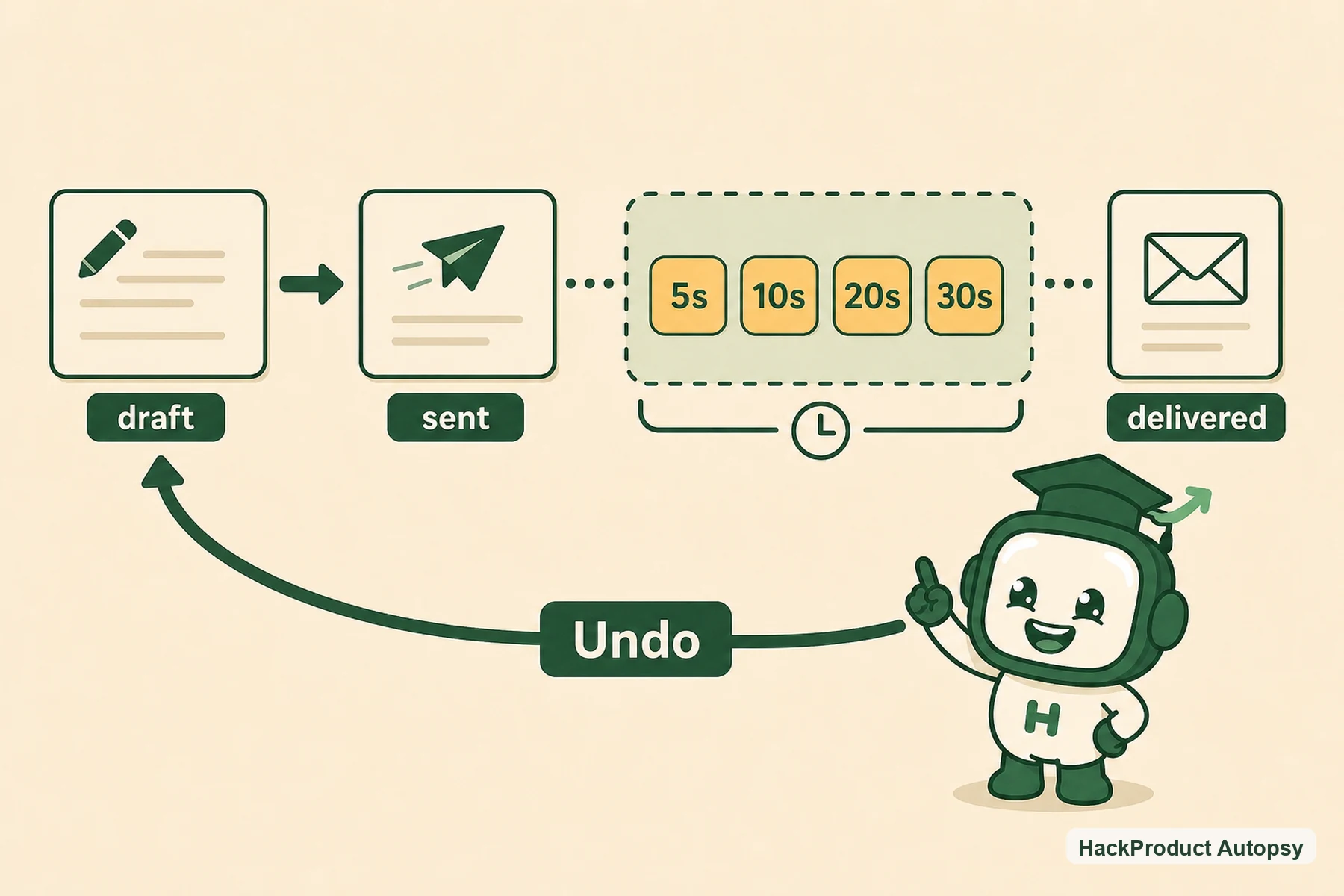
Undo Send was not post-delivery recall. Gmail held the message briefly before sending. If the user clicked Undo during that window, Gmail returned them to compose.
The proof
The feature stayed in Labs from 2009 until Jun. 23, 2015, when Google made it a formal Gmail web setting. Existing Labs users kept it on.
The takeaway
The product adds a short safety buffer by delaying outbound delivery. More time protects against more quick mistakes, but it also makes Send feel slightly less immediate.
The product problem was not abstract regret. It was the very specific feeling of noticing a missing attachment, wrong recipient, typo, or second thought immediately after pressing Send.
Gmail Labs gave the team a way to test that behavior without rewriting the meaning of email delivery for everyone. The experiment could stay small, opt-in, and reversible while the team learned whether the safety window was worth keeping.

The obvious copy would have been recall. That is also the dangerous promise. Once mail leaves Gmail, the result depends on recipient systems, clients, forwarding rules, and human behavior outside the product boundary.
Undo Send chose a narrower contract. Gmail did not need to pull an email back from the world. It only needed to wait briefly before releasing the message, then give the sender one clean escape hatch during that wait.
The first Labs version held messages for 5 seconds. Current Gmail lets users choose a cancellation period of 5, 10, 20, or 30 seconds, with the same core idea underneath.
That turns a destructive action into a bounded reversible one. The user still experiences Send as the primary action, but the interface keeps a short path back to compose while the mistake is fresh.
The tradeoff is small and concrete. Longer cancellation periods protect against more quick mistakes. Shorter periods preserve the expectation that pressing Send moves the message along immediately.
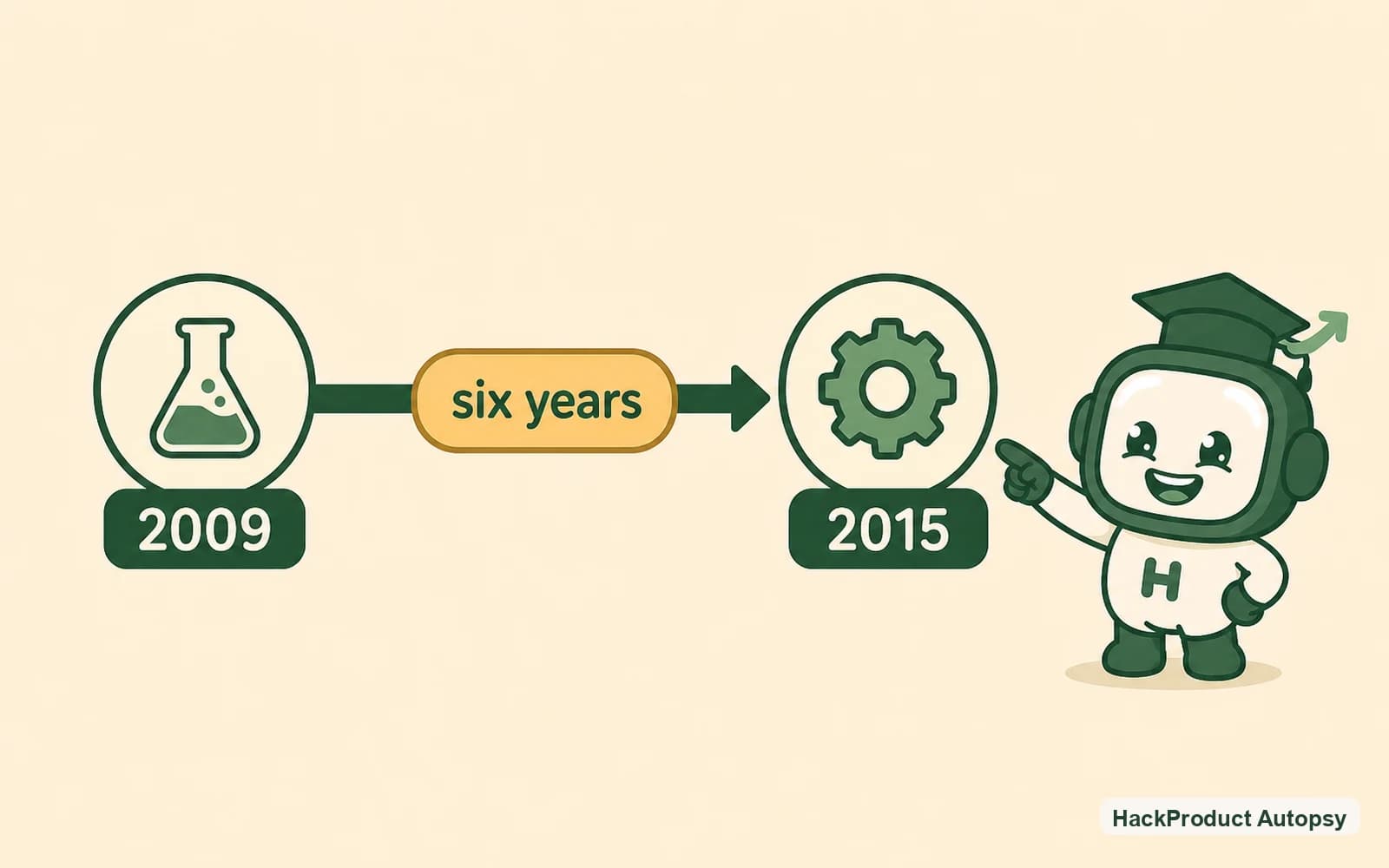
Undo Send stayed in Labs from 2009 until 2015, when Google made it a formal Gmail web setting. Existing Labs users kept it on, and new users could enable it from settings.
Google called the Labs feature popular, but the public record does not provide adoption, retention, or revenue impact. The careful conclusion is stronger because it is narrower: the behavior survived a long experiment channel and became a durable Gmail setting.
Gmail Labs opens the experiment lane
Labs gave Gmail a place to test opt-in features without changing the default product for everyone.
Undo Send launches in Labs
The first public version held messages for 5 seconds so senders could cancel before delivery.
Undo Send becomes a formal Gmail web setting
Google moved the behavior out of Labs and into Gmail settings after a long public experiment.
The cancellation window is configurable
Current Gmail settings let users choose 5, 10, 20, or 30 seconds.
Boundreversibilitytothepartofthesystemtheproductcantrulycontrol.
The references behind the dates, mechanics, and current settings live here. Unsupported impact claims are left out of the story.
Official Gmail Blog
2009 Labs origin, user problem examples, initial 5-second delay, and non-recall mechanism.
Open sourceOfficial Gmail Blog
Gmail Labs as opt-in experimental feature channel.
Open sourceGoogle Workspace Updates
2015 graduation from Labs to a formal Gmail web setting and rollout details.
Open sourceGmail Help
Current cancellation period options and user flow.
Open sourceThe Keyword
Current user flow, default 5-second window, desktop and mobile behavior.
Open sourcePCWorld
Trade press corroboration of the six-year Labs period and feature graduation.
Open source